
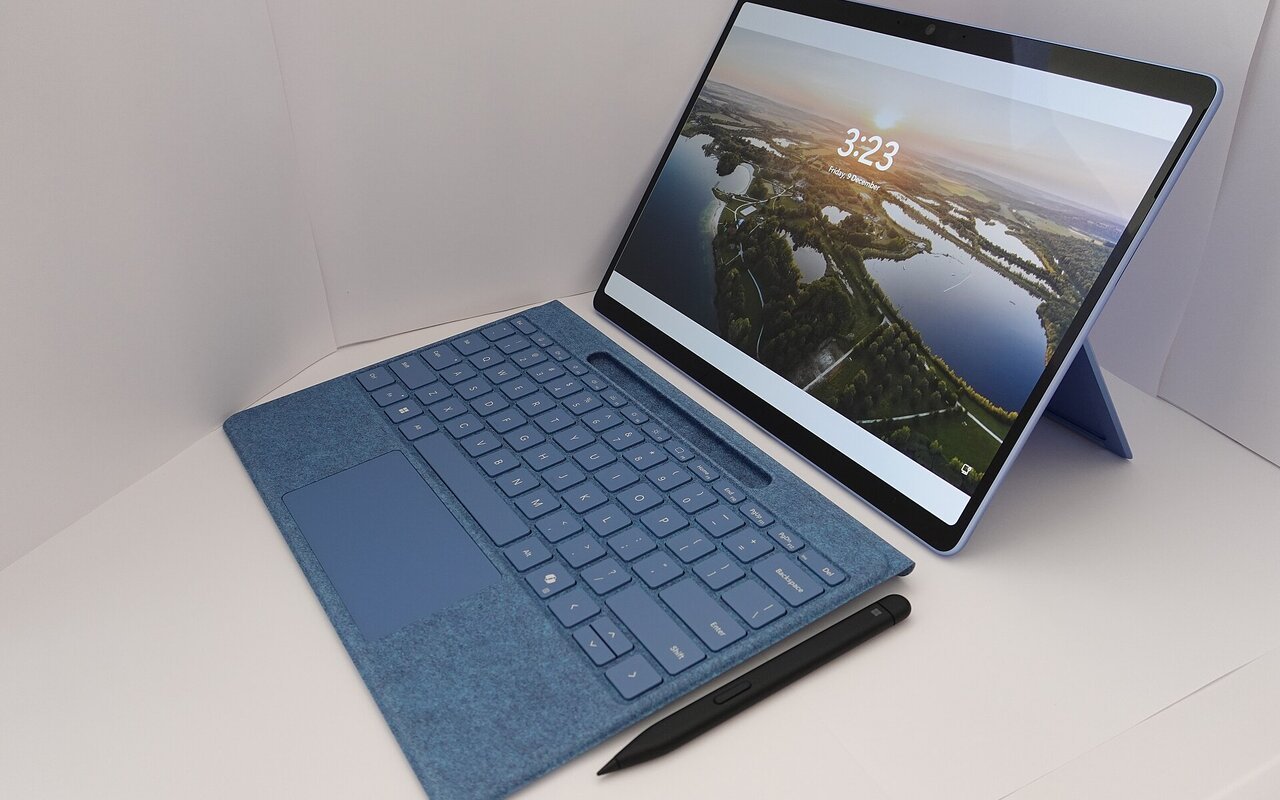
Pavan Davuluri, Microsoft’s head of Windows and devices, says in an interview with the U.S. news site Axios published Nov. 24, 2026, that the company must first earn permission to move on to what comes next, by focusing on the quality and reliability of Windows 11 and by proving the usefulness of its artificial intelligence features. The user base in question exceeds 1 billion users, a figure put forward by Microsoft. No date, and not even a name, has been confirmed for the next version of the operating system.
“Earn permission”: the Windows chief’s phrase
Asked about the arrival of a Windows 12, Pavan Davuluri does not reject the idea but gives no timeline, according to the account of the interview published Nov. 25, 2026, by MakeUseOf and the follow-up on Nov. 27 by Windows Latest. He points first to the remaining work on the quality, care, fundamentals, performance and reliability of Windows 11. Only after that, he says, does Microsoft earn the permission to build what comes next. The phrase sets a very high bar for the company itself.
A billion users, a figure that comes from Microsoft
The argument rests on the size of the installed base: more than 1 billion Windows 11 users, according to Microsoft, a figure that only the company publishes and that no independent measurement confirms. That base did not get there on its own: many organizations have only just finished migrating from Windows 10, MakeUseOf notes. For a user in France or anywhere else, the practical consequence is simple: the system installed on their machine remains the one Microsoft will focus its efforts on, with no announced prospect of a new version.
Models of 10 billion to 20 billion parameters on the PC
Davuluri explicitly ties the future of Windows to artificial intelligence. In his view, Microsoft must build the core technology for future applications, then show that users, especially developers, creators and knowledge workers, find these tools useful. He says he expects local models of 10 billion to 20 billion parameters to bring richer features to PCs. At its Ignite conference, the company showed local actions on files, read-only diagnostics of the machine for Copilot+ PCs, and hybrid routing between on-device and cloud models.
What Microsoft had promised to fix in Windows 11
This cautious message responds to documented pushback. Earlier in the year, Microsoft had made a public quality commitment on Windows 11: fewer interruptions from updates, a faster File Explorer and fewer unnecessary Copilot buttons in Notepad and Photos. MakeUseOf notes that some users still see the built-in artificial intelligence features as bloat, and that some simply turn off Copilot on their machines.
| Item | What Microsoft says | What has not been announced |
|---|---|---|
| Next version | It will come when the company has earned permission | No date; “Windows 12” name not confirmed |
| Installed base | More than 1 billion Windows 11 users | No independent verification of this figure |
| Local artificial intelligence | Models of 10 billion to 20 billion parameters expected | No minimum hardware requirements specified |
| Features shown at Ignite | Local file actions, read-only diagnostics, hybrid routing | No general availability date |
What remains unknown for users
At this stage, three points remain open and deserve to be stated plainly. The name of the next version has not been confirmed by Microsoft. Its timeline does not exist publicly, though Davuluri has not ruled out the version. Finally, the condition he sets is one of usefulness judged by the company itself: Microsoft will decide that its artificial intelligence features have won people over, on an installed base whose size only Microsoft publishes. For users, nothing changes for now, except the certainty that the system installed on their machine will stay in place for a while.